
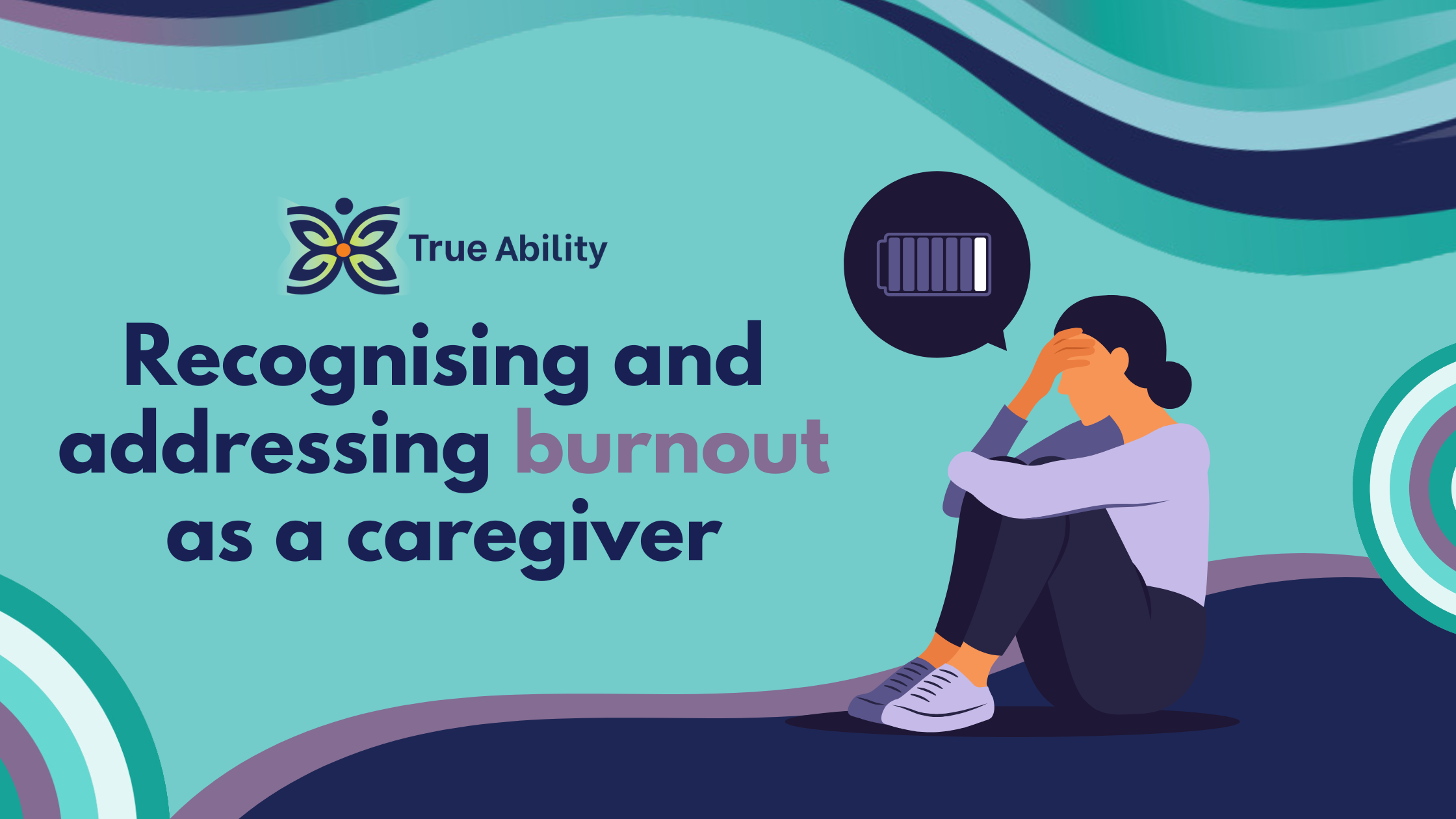
Burnout is an extremely common experience that can happen when caring for people living with a disability.
If you burn out while caring for a loved one, the bottom line is that you will no longer be able to caretake for that person, as you have reached a point of physical and emotional exhaustion.
This alone is a huge reason why it’s essential to ensure your support system has accommodated for regular breaks and additional support people to establish balance.
What are the warning signs of burnout to watch for while caregiving?
1) Emotional and physical exhaustion
While in the midst of burning out, you may not even notice signs of physical and emotional exhaustion until you yourself are struggling to get out of bed or get through the day.
But there are other signs that can indicate that you’re on this path. For example:
- You don’t have time for yourself, or for any of the hobbies and activities that you enjoy. 100% of your time is dedicated to caregiving, or scrambling to tend to your own essential needs.
- You feel like you’re doing all the household management tasks, all of the time. There is no balance and no shared duties (this includes both physical tasks and mental load).
- You are starting to feel like you’re past the point of caring about anything.
If you recognise any of these symptoms or situations, it’s essential for your own wellbeing that you get support as soon as possible.
Respite Care can provide some temporary relief, but we also encourage building further support into your schedule (such as a support worker who can assist with daily living tasks, tend to routine care needs or take your loved one out into the community).
2) Negative feelings and emotions
It’s very common for burnt out caregivers to experience more negative emotions and feelings. Some common ones include:
- Anger – you might be feeling angry or frustrated at the situation, or even at those around you, especially if you feel overwhelmed or trapped in your caregiving role and unable to strike a healthy balance to tend to your own needs.
- Anxiety – another common feeling is worrying about the future. You might spend a lot of energy worrying about doing something wrong, harming your loved one, or worrying about how they will receive high quality care if something ever happens to you.
- Guilt – if you find yourself needing to prioritise your own needs, or unable to provide a level of care that you were once able to provide, this can create feelings of guilt as your capacity is continuously stretched past breaking point.
Self-care and the ability to get your needs met is not just important for your wellbeing, but also for the person you’re caring for. By getting support to manage and balance caregiving responsibilities, you’ll have time to schedule in activities that bring you joy and relaxation.
3) Feeling isolated and alone
Many caregivers report feeling alone in their role. When caregiving becomes too much to manage alone, or becomes overwhelming, it’s very common for things like maintaining a social life to take a lower priority.
It can also simply be too much additional work to coordinate social catchups and outings when you already have a massive mental load to hold.
In addition to this, you may feel like the people around you don’t understand what you’re going through, or feel as if there’s nobody who can relieve you and that only you can do the job properly. All of these experiences create feelings of isolation, which impacts our mental wellbeing.
It’s so important to find ways to prioritise social connections. Joining a local support group or community is one way to share your experiences and receive helpful advice from others who can relate.
Catching up with friends and participating in social activities and events that you enjoy is another way to make the most of your loved one receiving Respite Care.
4) Physical changes
Finally, you may notice physical changes in your body that indicate you may be pushing towards burnout. These can include:
- Losing weight.
- Losing sleep.
- Experiencing difficulty concentrating.
- Displaying physical symptoms of sickness.
If your own health and wellness deteriorates, you will no longer be able to provide care to your loved ones, so it’s essential that you’ve got a support system that empowers you to take care of yourself.
If any of the above symptoms seem familiar, and your loved one has an NDIS Plan, we encourage you to get in touch with us today to explore support options.
What NDIS support is there for carers?
Building support into your system can be game-changing to create better balance and reduce risk of burnout. It will free up some time and energy for you to be able to:
- Rest and recharge (supporting your physical and emotional energy).
- Practise self-care and participate in activities that bring you joy (establishing balance and reducing negative feelings from building up).
- Maintain an active social life (reducing any feelings of isolation).
- Maintain and tend to your health and wellbeing (ensuring you have full capacity to continue caregiving activities, as well as live a healthy lifestyle).
Respite Care is a great support to consider as it can be used as required. This means, you can intentionally plan breaks into your schedule, or you can have it there in case you need to take a planned or unplanned absence from caregiving.
Either way, it provides peace of mind, so that you know your loved ones are continuing to receive a high quality of care.
Get in touch with our team today to learn more and explore support options for you and your family.