

Respite Care exists to offer a coordinated break for caregivers, by providing temporary care to participants.
During a Respite stay, participants can do everything they would do with their regular supports (including accessing the community and forming social connections).
But Respite can, in some ways, be even better for enhancing social connections, which we’ll cover in more depth in this article.
Does Respite Care offer social inclusion opportunities?
Respite often includes social programs that facilitate care and opportunities to connect with peers in a supported setting.
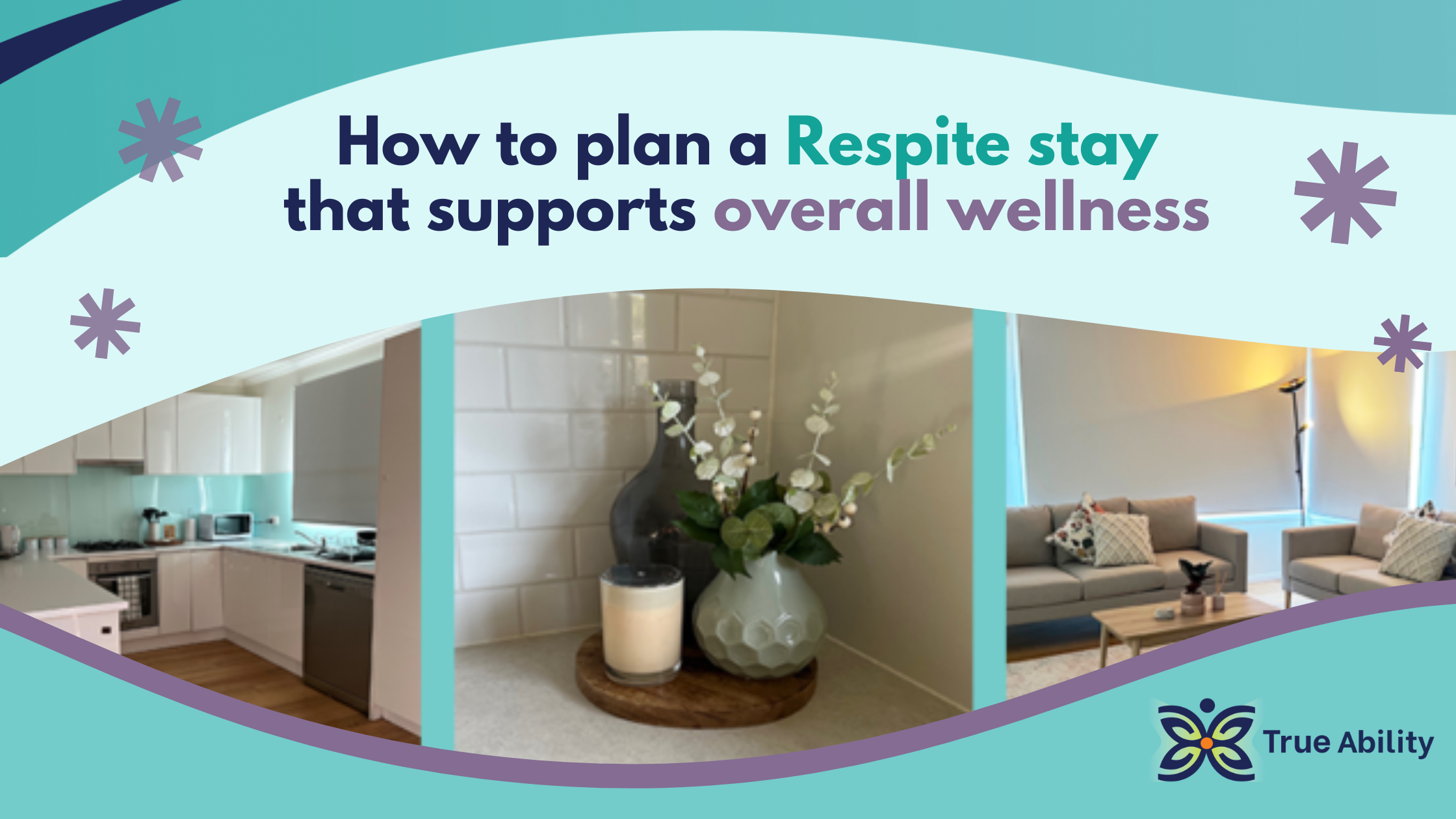
For example, there might be a weekly cooking or art class you could attend, a regular day program you could access, or even overnight Respite care that offers communal areas for socialisation.
These structured programs focus on skills building, providing opportunities for teamwork, communication, and discovering new hobbies and interests. They also support a sense of belonging in the broader community.
How does Respite Care improve relationships between carers and their loved ones?
Respite offers the opportunity for rest and recharge, which can be incredibly healthy for both families and carers.
In any relationship, it’s important for people to have their own, personal space and separation, and it’s no different if you require 24/7 care. Time away from home can be refreshing and offer a much-needed break in routine!
It’s also an opportunity for participants to practice independence and build their confidence, while knowing they’re in a fully supported environment.
Meanwhile, carers use the time to focus on their own wellbeing so that they return to caregiving feeling refreshed and energised.
Ready to plan a Respite stay?
Respite Care can be used to intentionally plan breaks into your care plan, and ensure your caregivers are fully supported in their ability to provide care. It can also be an incredibly fun and social experience!
Get in touch with our team today to learn more and explore support options for you and your family.